The Severed Gods Combat: Break & Defend
Turn-based fundamentals that every hero, relic, and sever strategy builds on.
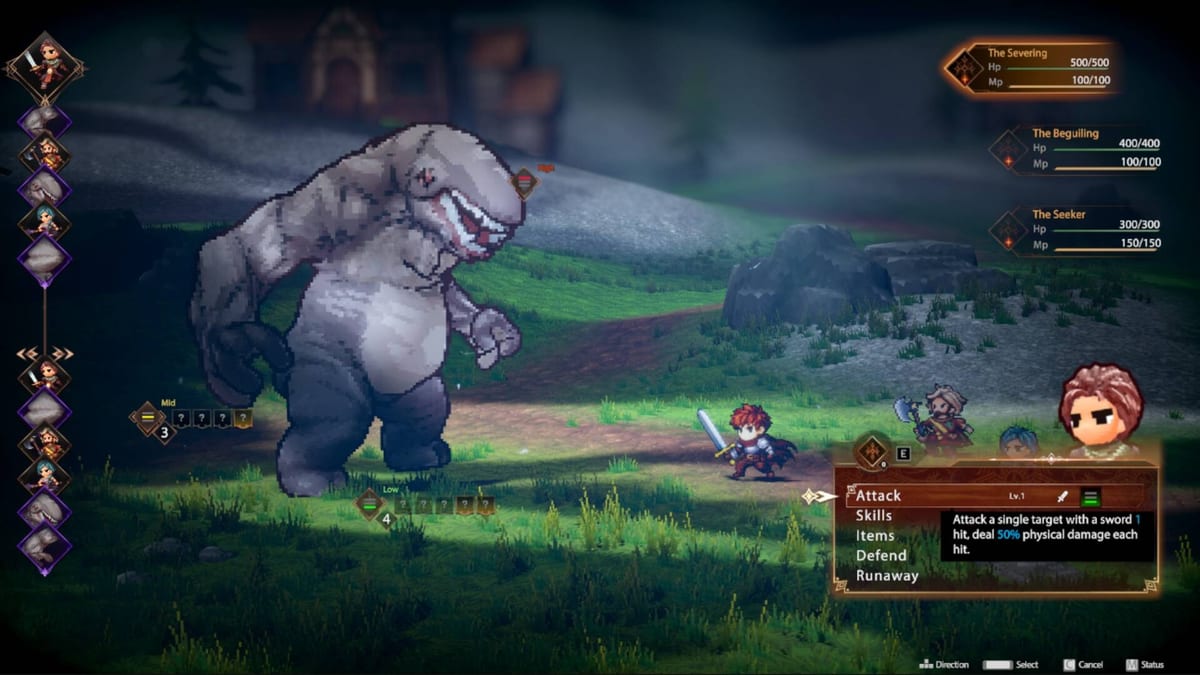
Combat in The Severed Gods is fully turn-based. Every fight — from Low zone skirmishes to High zone boss chambers — rewards reading enemy intent, choosing when to Defend, and chaining Break actions that open limbs for a finishing Sever. This guide explains the core loop Topebox built for Early Access so you stop losing runs to preventable limb damage and wasted turns.
Turn structure and intent icons
Each round, enemies display intended actions: strikes, grabs, buffs, or limb-enraging attacks. Your hero receives action points to spend on skills, basic attacks, Defend, or items. Unlike action RPGs, there is no real-time dodge — mitigation comes from Defend stance values, shields from relics, and debuffs from heroes like the Scholar.
Plan one turn ahead. If an elite telegraphs a heavy hit to your lead arm, Defend that limb or use a skill that grants temporary guard. Saving action points for the following turn often beats over-committing to Break when you cannot survive the retaliation.
See Keyboard & Mouse for default bindings that speed up target selection between limbs.
Defend: limb-level mitigation
Defend is not a single global block. You assign guard to specific limbs — head, torso, arms, legs — matching where damage will land. Successful Defend reduces incoming HP and posture loss on that limb. Failed prediction spreads damage unpredictably and accelerates injuries that persist between nodes.
Early relics that widen Defend coverage or refund action points after a perfect block are premium picks — ranked in Relics Tier List. Swordsman kits include forgiving Defend modifiers, while Thief prefers evasion-style skills that sometimes skip Defend entirely at higher risk.
Break: opening limbs for Sever
Break actions consume enemy posture or armor on a targeted limb. Most enemies hide severable limbs behind Break thresholds displayed as segmented bars. Focus fire matters: spreading Break damage across four limbs rarely sever anything; breaking one arm to zero opens a Sever prompt.
Break damage types vary by skill — slash, crush, pierce — and some elites resist specific categories until debuffed. The Axeman excels at high Break per turn but may need Scholar debuffs in Mid zones where armor scales. Cross-reference skill tags on the Skills Tier List when drafting at camp.
Sever: execution and rewards
Once a limb is Break-ready, Sever attempts consume a dedicated action. Success removes the limb, disables associated enemy attacks, and drops enhanced loot. Failure wastes the turn and may enrage the boss. Sever odds improve when limb HP is low, Break debuffs are active, and relics grant sever bonuses.
Boss sever strategies differ by encounter — read Sever Boss Limbs before entering High zone gates. Demo players can practice sever timing on limited elites via the Demo Walkthrough.
Zone difficulty scaling
Low zones punish sloppy Defend less and expose weak limb armor. Mid zones introduce dual-intent enemies that strike while buffing armor. High zones add phase shifts that reset Break progress unless you sever quickly. Pathing choices on the map determine how many High fights you face before a boss — use the Run Checklist to avoid over-stacking elites.
Hero-specific combat notes
| Hero | Combat role | Break/Defend tip |
|---|---|---|
| Swordsman | Balanced duelist | Alternate Break chains with Defend every other turn |
| Axeman | Break burst | Commit sever windows after Scholar armor shred |
| Scholar | Debuff control | Apply Break vulnerability before ally sever attempts |
| Thief | Crit finisher | Defend lightly; end fights fast to avoid attrition |
| Taoist | Karma scaling | Karma shifts can buff Defend or Break — track moral drift |
Full kit details sit in All Heroes.
Relics and skills that amplify combat
With 100+ skills and 80+ relics in Early Access, prioritize effects that interact with Break chains: extra action points after Break, Defend spillover to adjacent limbs, or sever chance on critical hits. Relics & Builds lists starter archetypes — Break-first, Defend-turtle, and Karma-Taoist — that map directly to this combat guide.
Common mistakes
- Breaking every limb evenly instead of securing one sever.
- Defending torso when the telegraph targets legs.
- Spending sever attempts before Break debuffs land.
- Ignoring camp skill swaps that add limb-targeting.
- Entering High zones without injury recovery relics.
Practice path
- Low zone: sever one arm on a standard elite.
- Mid zone: Defend two-turn telegraphed combos.
- High zone: sever a boss limb before phase two.
- Meta: unlock sigils that boost Defend via Hero Sigils.
When Topebox adjusts Break values in patches, check Updates Hub and revisit this page.
Frequently Asked Questions
Quick answers to the most common questions.
Can I sever any limb on every enemy?
Most humanoid enemies expose four severable limbs, but some bosses hide critical segments until phase transitions. Boss guides list exceptions.
Does Defend cost action points every turn?
Defend consumes points like other actions, but many skills and relics reduce or refund that cost when you correctly predict attacks.
What happens if a limb is injured on my hero?
Injured limbs deal reduced Break damage and take increased damage until healed at camp or via relics. Repeated neglect can end runs.
Is turn order fixed or speed-based?
Early Access uses initiative values modified by skills and relics. Faster heroes can sever before enemies enrage broken limbs.
Where can I watch combat in action?
The Getting Started guide embeds the Early Access trailer, and the Demo Walkthrough covers shorter fights step by step.